

Thyroid Specialist | Personalized Hormone Balance
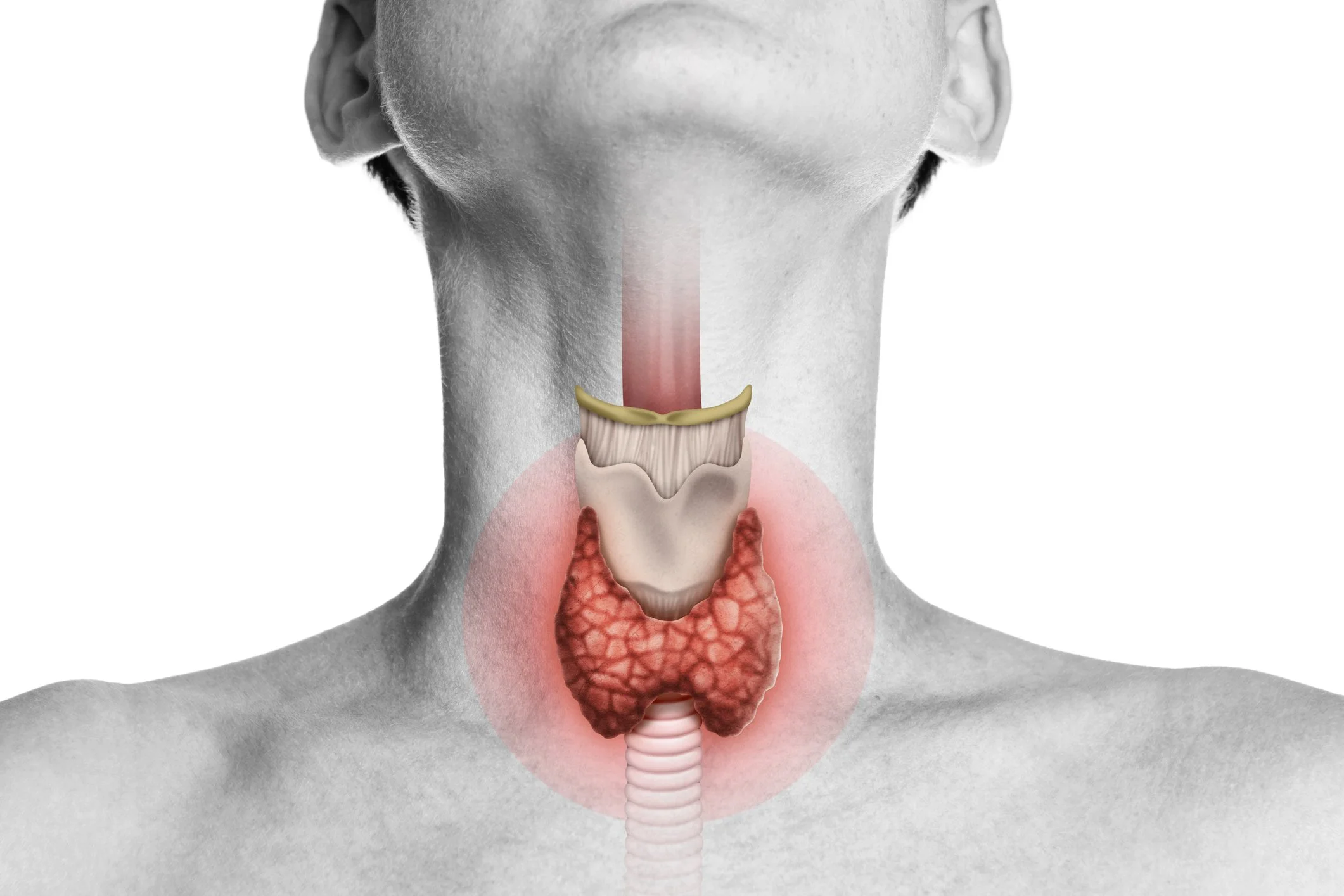
At Northwest Advanced Thyroid and Hormone Health, a dedicated Thyroid specialist focuses on how your body responds when thyroid function starts to shift. Whether symptoms come from hypothyroid, hyperthyroid, hormone imbalances, or more complex Thyroid Disorders, care is shaped around patterns seen in your labs and daily symptoms to support steadier function.
Get Personalized CareWhy Advanced Thyroid Care Matters
Your thyroid helps regulate energy, metabolism, temperature, and mental clarity, even though it is a small gland. When function shifts, symptoms like fatigue, weight changes, and brain fog often develop gradually, which is why looking at the full picture matters more than relying on a single lab value.
With advanced thyroid care, treatment looks at how hormones are produced, converted, and used in the body. By focusing on patterns, including T4 and T3 balance, care is guided by both symptoms and response over time to support steadier, long-term improvement.
Book Your AppointmentThe TSH number your doctor is looking at was never designed to tell you whether your cells are getting enough thyroid hormone.
TSH — thyroid stimulating hormone — measures pituitary output. It tells you what your brain is asking your thyroid to do. It does not tell you whether your cells are actually receiving and responding to the thyroid hormone in circulation. It does not measure peripheral conversion of T4 to the active T3. It does not account for reverse T3 blocking cellular receptors. It does not reflect receptor sensitivity or downregulation. It does not show you intracellular thyroid activity — which is the only thyroid activity that actually matters.
Research shows that TSH within the normal range — even as low as 1.3 — is associated with increased risk of hypertension, atherosclerosis, cardiovascular disease, elevated BMI, and metabolic syndrome. A number inside a reference range is not the same as a number that reflects optimal health. These are not the same thing and we will never pretend they are.
We read the full picture. TSH is one data point among many. It is where the conversation starts — not where it ends.
How We Actually Diagnose Thyroid Dysfunction
We begin where every thyroid evaluation should begin — with you. Your symptoms, your history, your physical signs, your prior records, and years of documented complaints that were dismissed as anxiety or depression or simply aging. We believe what your body is telling us before we look at a single number.
Then we run a complete thyroid panel — not just TSH. Free T3, free T4, reverse T3, thyroid antibodies including TPO and thyroglobulin, thyroid binding globulin, and when clinically indicated, imaging and additional metabolic markers. We assess micronutrient status — selenium, zinc, iodine, vitamin D, iron, and ferritin — because thyroid hormone production, conversion, and receptor activity all depend on nutrients that the standard of care never tests for.
When the labs look normal but the patient is clearly hypothyroid, we do not tell them to go home. We dig deeper. Because normal is a statistical construct. Optimal is a clinical one. And the difference between the two is the difference between surviving your days and living them.
Conditions We Treat
Comprehensive thyroid care for the full spectrum of thyroid dysfunction — from the obvious to the overlooked.
Hypothyroidism
Both primary hypothyroidism and subclinical hypothyroidism — including patients whose TSH falls within the conventional normal range but whose symptoms, physical signs, and complete panel indicate cellular thyroid deficiency. We treat the patient in front of us, not the number on a page.
Hashimoto's Thyroiditis
The most common cause of hypothyroidism — an autoimmune attack on thyroid tissue that conventional medicine manages with Levothyroxine alone while ignoring the immune dysfunction driving it. We address the autoimmune root cause — gut health, inflammation, nutrient deficiencies, stress, and HPA axis dysregulation — alongside thyroid hormone optimization.
Hyperthyroidism and Graves Disease
Overactive thyroid function causing heart palpitations, anxiety, heat intolerance, weight loss, and insomnia. We evaluate and co-manage hyperthyroid patients as part of a comprehensive hormonal and metabolic picture, working alongside your existing care team where appropriate.
Thyroid Hormone Resistance
The condition where circulating thyroid hormones are present but cannot effectively enter cells — due to elevated reverse T3, downregulated receptors, chronic inflammation, or nutrient depletion. Most conventional doctors do not test for this. We do — because this is where the majority of undertreated thyroid patients actually live.
Inadequate Response to Levothyroxine
Millions of patients are prescribed Levothyroxine, their TSH normalizes, and they still feel terrible. This is not a mystery — it is the predictable result of treating a TSH number while ignoring free T3, reverse T3, cellular receptor sensitivity, and the need for direct T3 therapy. We address what Levothyroxine alone cannot.
Thyroid and Autoimmune Connection
Autoimmune thyroid disease does not exist in isolation. It is driven by gut dysbiosis, intestinal permeability, chronic inflammation, nutrient deficiencies, HPA axis dysfunction, and unaddressed hormonal imbalance. We treat all of it — because suppressing the immune attack without addressing its cause is not treatment. It is delay.
What We Assess That Most Thyroid Doctors Never Test
Reverse T3 and T3/rT3 Ratio
Reverse T3 competes with active T3 at the cellular receptor level, blocking thyroid activity even when serum T3 appears normal. Chronically elevated reverse T3 — driven by stress, inflammation, or poor conversion — is a primary driver of cellular hypothyroidism that standard care ignores.
Gut Health and T4 to T3 Conversion
Approximately 20% of T4 to T3 conversion occurs in the gut. Dysbiosis, intestinal permeability, and gut inflammation directly impair this conversion — meaning your thyroid medication may be far less effective than your TSH suggests. We assess and treat gut health as a core component of thyroid care.
Micronutrient Status
Selenium is required for T4 to T3 conversion. Zinc is required for thyroid hormone production. Iron deficiency impairs thyroid peroxidase activity. Vitamin D deficiency is directly associated with autoimmune thyroid disease. We test all of them — because no thyroid protocol works against nutritional deficiency.
HPA Axis and Cortisol
Chronic stress and elevated cortisol suppress thyroid receptor sensitivity, increase reverse T3, and inhibit T4 to T3 conversion. The HPA axis and thyroid axis are inseparable. We assess both through salivary cortisol testing and treat adrenal dysfunction as part of every thyroid protocol.
Thyroid Antibodies
TPO and thyroglobulin antibodies confirm autoimmune thyroid disease — Hashimoto's — years before TSH changes. Identifying the autoimmune component changes everything about how the condition is treated. We run antibody panels on every thyroid patient regardless of TSH.
Nuclear Receptor Sensitivity
Research shows that nuclear receptors for both T3 and T4 decline by 40-47% between young adulthood and old age. This means older patients may require higher thyroid hormone levels to achieve the same cellular effect — a clinical reality that reference ranges built on population averages completely fail to account for.
How We Treat — And Why It Is Different
We prescribe what your cells actually need — not what makes your TSH look good on paper. For patients who have been dismissed on Levothyroxine, we evaluate the full clinical picture and when indicated, we prescribe direct T3 therapy through liothyronine or natural desiccated thyroid medications including NP Thyroid and Armour Thyroid — preparations that contain both T4 and the active T3 your tissues depend on.
The decision to prescribe T3 or NDT is not made lightly. It is made after a complete evaluation of your free T3, reverse T3, symptom burden, physical signs, and response to existing treatment. It is made because the research supports it and because your quality of life demands it — not because it is the easy answer, but because it is often the right one.
We also address every upstream factor driving your thyroid dysfunction — gut health, autoimmune activity, nutritional deficiencies, cortisol, inflammation, and hormonal imbalance. Because a prescription without a complete clinical strategy is not thyroid treatment. It is thyroid management. And management is not what we do here.
Take Control of Your Thyroid Health Today
When symptoms are ongoing, waiting for them to resolve on their own often leads to more frustration. Working with a Thyroid specialist allows you to understand what is changing and take a more structured approach to improving how your body functions.